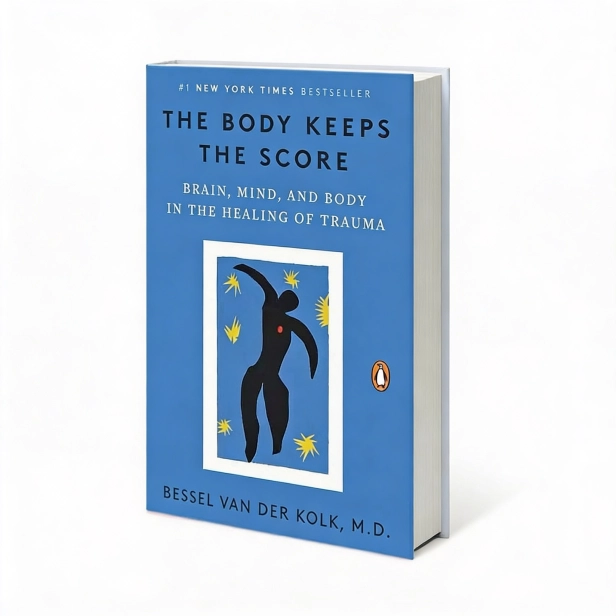
The Body Keeps the Score by Bessel van der Kolk
The most widely read book on trauma of the last decade. Van der Kolk explains how traumatic experiences are stored not just in memory but also in the body, the nervous system, and the automatic responses that fire before conscious thought arrives. If you have not read this, start here. If you have already read it and are looking for what to do with what you learned, the Field Manual is the next step.
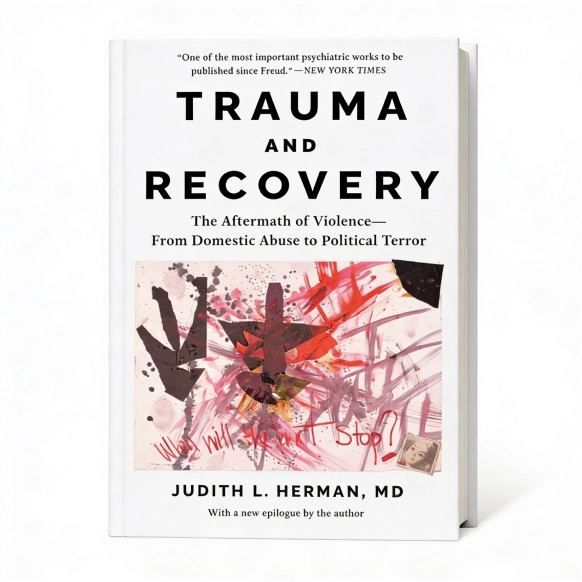
Trauma and Recovery by Judith Herman
The foundational clinical text for understanding complex trauma and its aftermath. Herman traces the political and psychological history of how trauma has been understood, dismissed, and reclaimed. More demanding than van der Kolk’s and more precise. Particularly valuable for understanding the social dimensions of recovery.
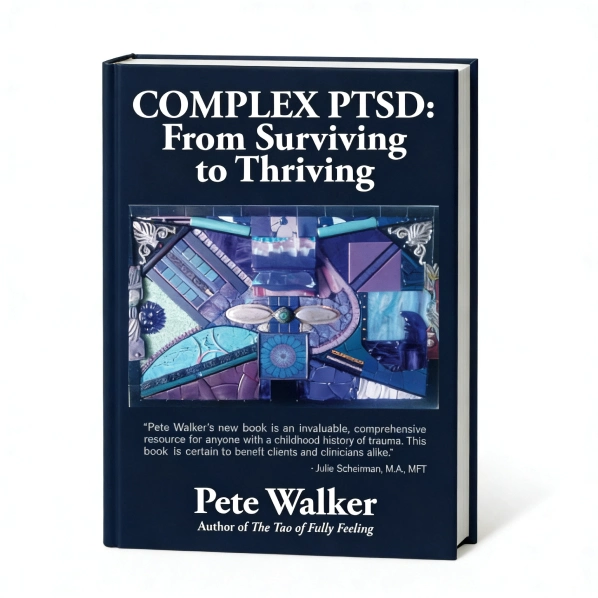
Complex PTSD: From Surviving to Thriving by Pete Walker
Walker writes from lived experience as both a survivor and a therapist. His framework for understanding the four trauma responses (fight, flight, freeze, and fawn) is one of the most practical maps for people with C-PTSD. The book is direct and compassionate and does not require a clinical background to use.
The Polyvagal Theory in Therapy by Deb Dana
Stephen Porges developed the polyvagal theory. Deb Dana made it accessible. This book explains how the autonomic nervous system governs our capacity for connection, safety, and shutdown, and how to work with those states rather than against them.

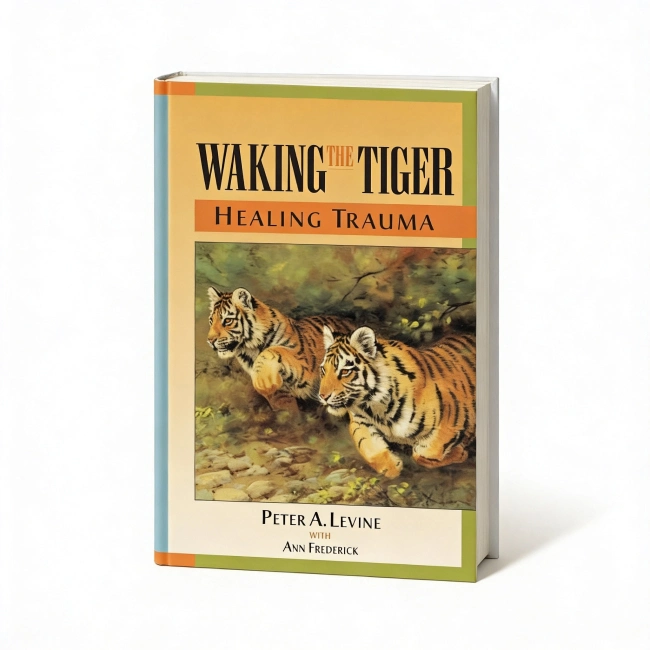
Waking the Tiger by Peter Levine
Levine is the founder of Somatic Experiencing. This book explains why animals in the wild do not develop chronic trauma responses and what that reveals about how humans can complete the incomplete survival responses that trauma leaves behind. A good entry point to somatic work before beginning body-based therapy.
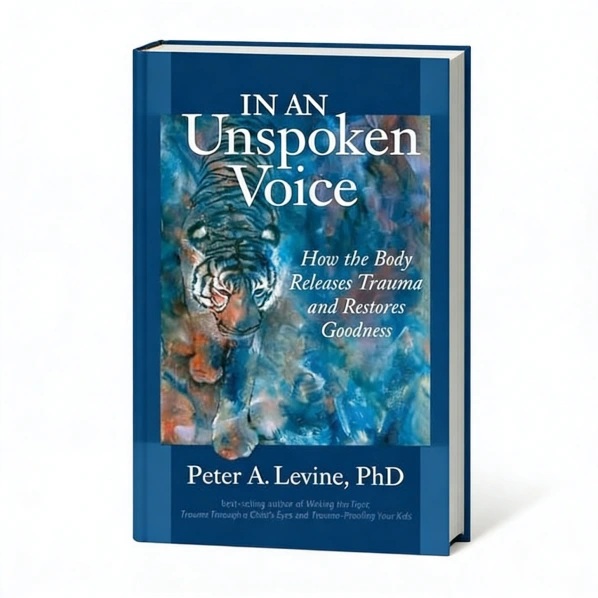
In an Unspoken Voice by Peter Levine
The more developed version of Levine’s thinking is written for readers who are ready to go deeper. Bridges the neuroscience of trauma with the clinical practice of somatic processing. More rewarding for those who want to understand the mechanism rather than just the practice.
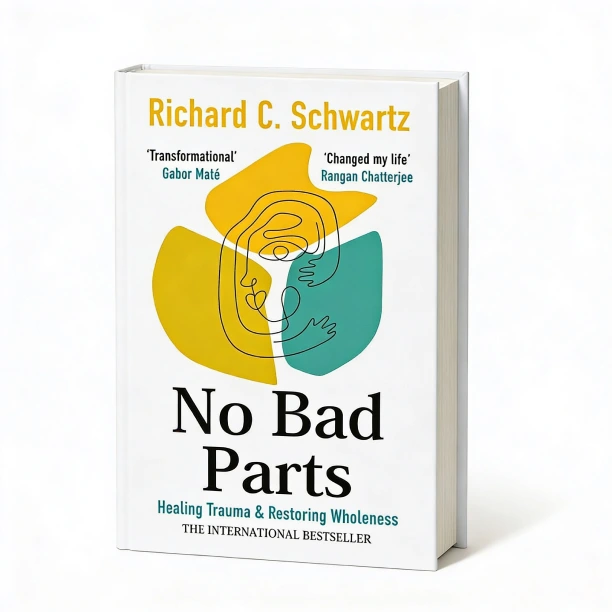
No Bad Parts by Richard Schwartz
Schwartz is the founder of Internal Family Systems. The most accessible introduction to the idea that the self is a collection of parts, each of which was formed for a reason and each of which can be worked with rather than fought against.
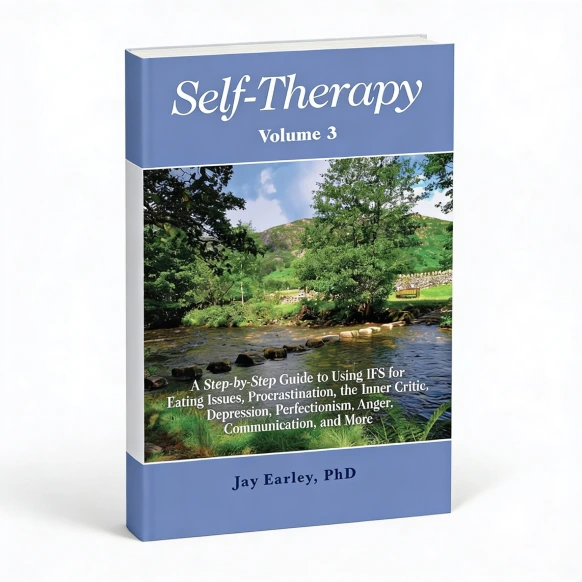
Self-Therapy by Jay Earley
A practical workbook for applying IFS principles without a therapist present. More structured than No Bad Parts, with step-by-step guidance for working with specific parts.
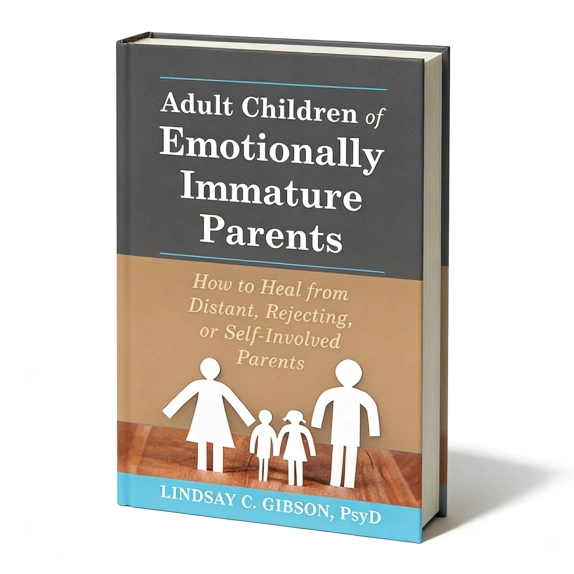
Adult Children of Emotionally Immature Parents by Lindsay Gibson
Gibson describes the patterns left by emotionally immature parents with precision and without clinical distance. Many readers report that this book is named something they had been circling for years.
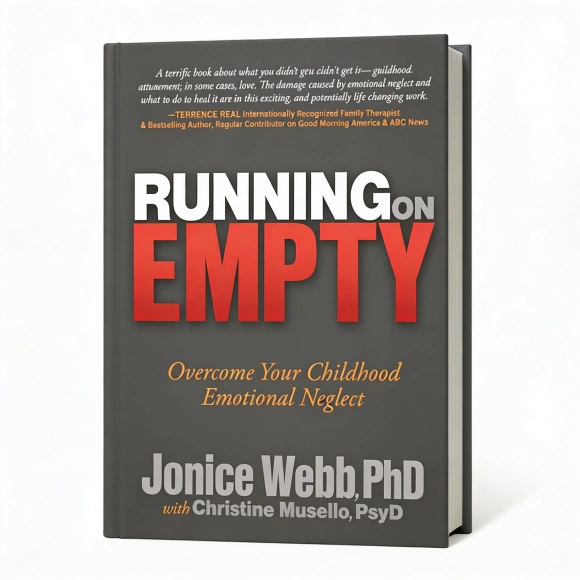
Running on Empty by Jonice Webb
Focuses specifically on childhood emotional neglect: the absence of attunement and emotional validation. Reaches readers who do not identify with more dramatic trauma narratives but recognize a persistent sense that something was missing.
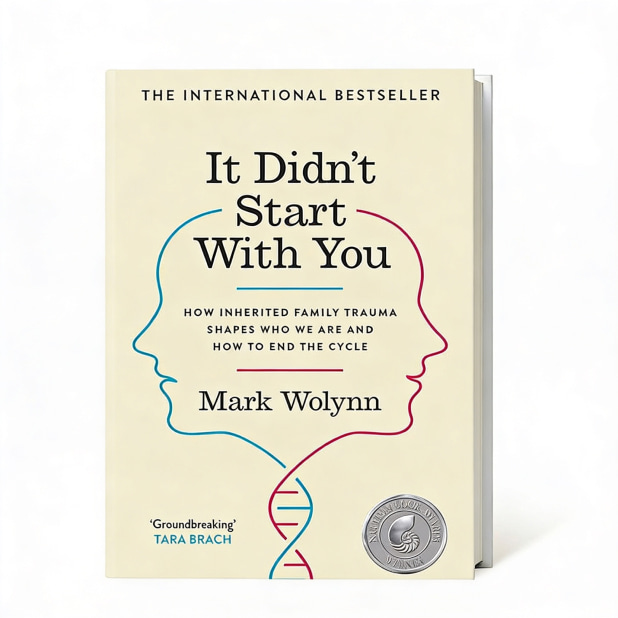
It Didn't Start with You by Mark Wolynn
Wolynn’s book explores how unresolved trauma passes between generations, often without explicit transmission. The core constellation exercises are practical and can be done independently.
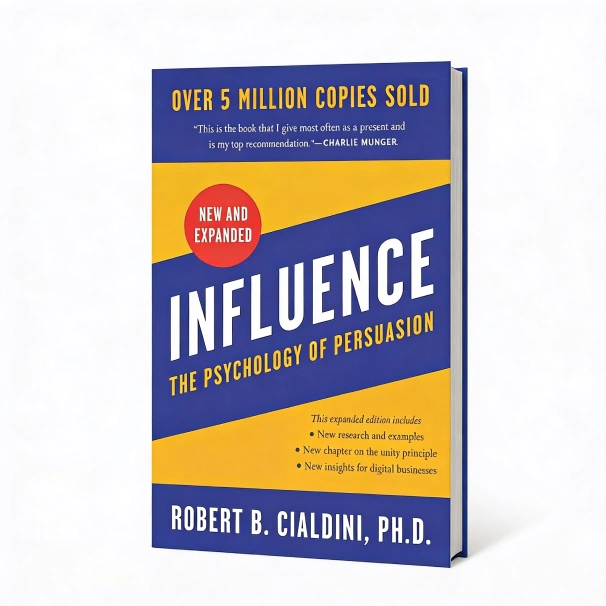
Influence by Robert Cialdin
Cialdini’sdocumentation ofthe principles that govern human compliance and consistency isafoundational reference for the Field Manual’scontra-doctrine method. Not aself-help book. Aprecise map ofthe mechanisms that drive most ofour automatic behavior.
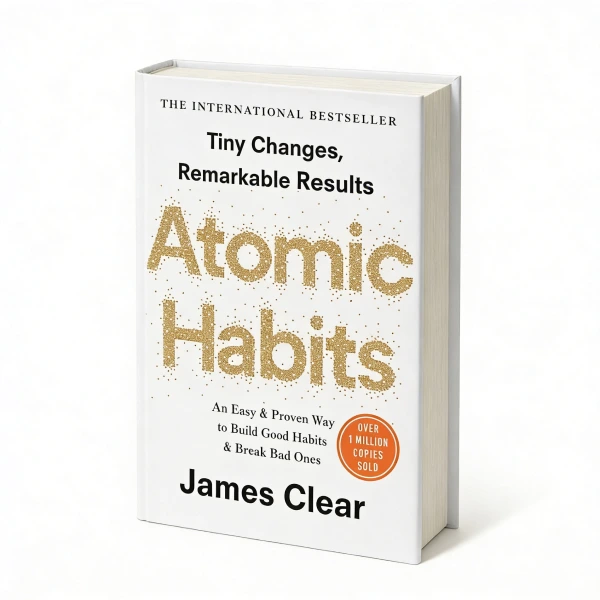
Atomic Habitsby James Clear
The most practical modern guide tobuilding and breaking behavioral patterns. Directly applicable tothe plan-building work inPart 3 ofthe Field Manual. Read after completing the exercises, not before.
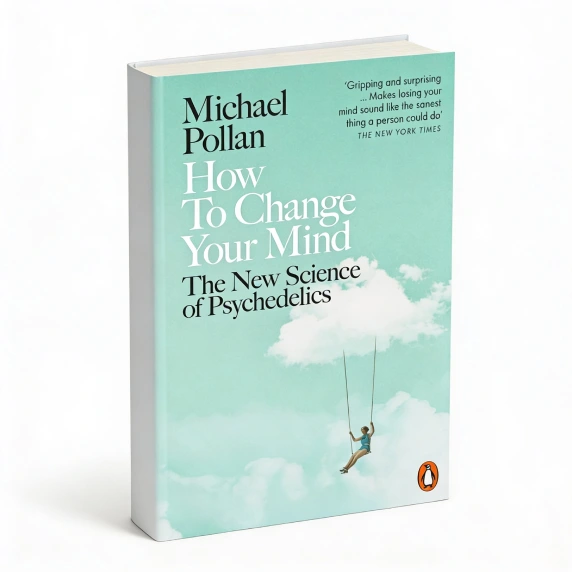
How to Change Your Mindby Michael Pollan
The book that brought psychedelic research toamainstream audience. Pollan approaches the topic asajournalist and skeptic: rigorous, balanced, and honest about both the promise and the risks. Aresponsible starting point for anyone considering this territory.
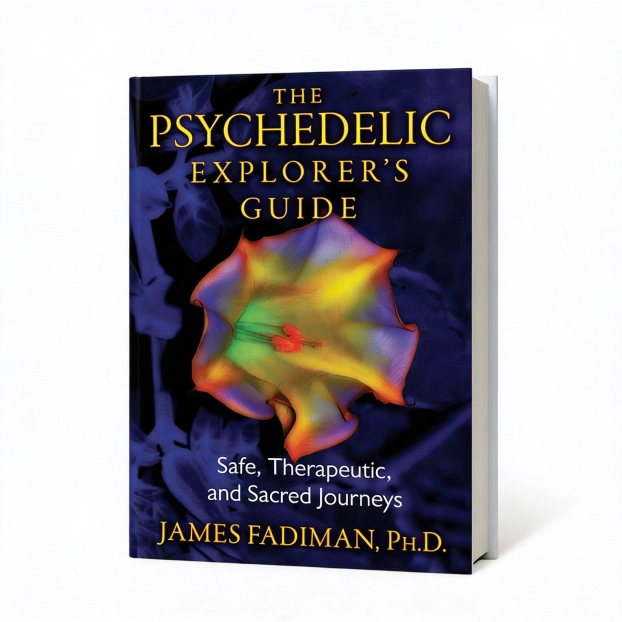
The Psychedelic Explorer's Guide by James Fadiman
More detailed and practical than Pollan. Covers the history ofpsychedelic research, the mechanisms ofdifferent substances, and protocols toreduce risk. Includes safety guidance and contraindication information. Read this before making any decisions.
It Didn't Start with You by Mark Wolynn
Listed here aswell asunder Attachment because the generational dimension oftrauma deserves its own framing. For readers who sense that some ofwhat they carry belongs toalarger story
Scattered Mindsby Gabor Mate
Mate’sbroader argument, that many ofour most persistent patterns are adaptive responses tochildhood conditions rather than character flaws, isone ofthe most liberating ideas incontemporary psychology.
When the Body Says No byGabor Mate
Mate’sexamination ofthe relationship between emotional suppression and physical illness. Important for understanding why healing trauma isnot only apsychological project.

This list will grow. If you have read something that changed how you understand your own patterns and think it belongs here, reach out using the contact link at the bottom of this page.